A high-end automotive restoration is not defined by how shiny the car looks when it leaves the paint booth. The real quality is hidden underneath the paint.
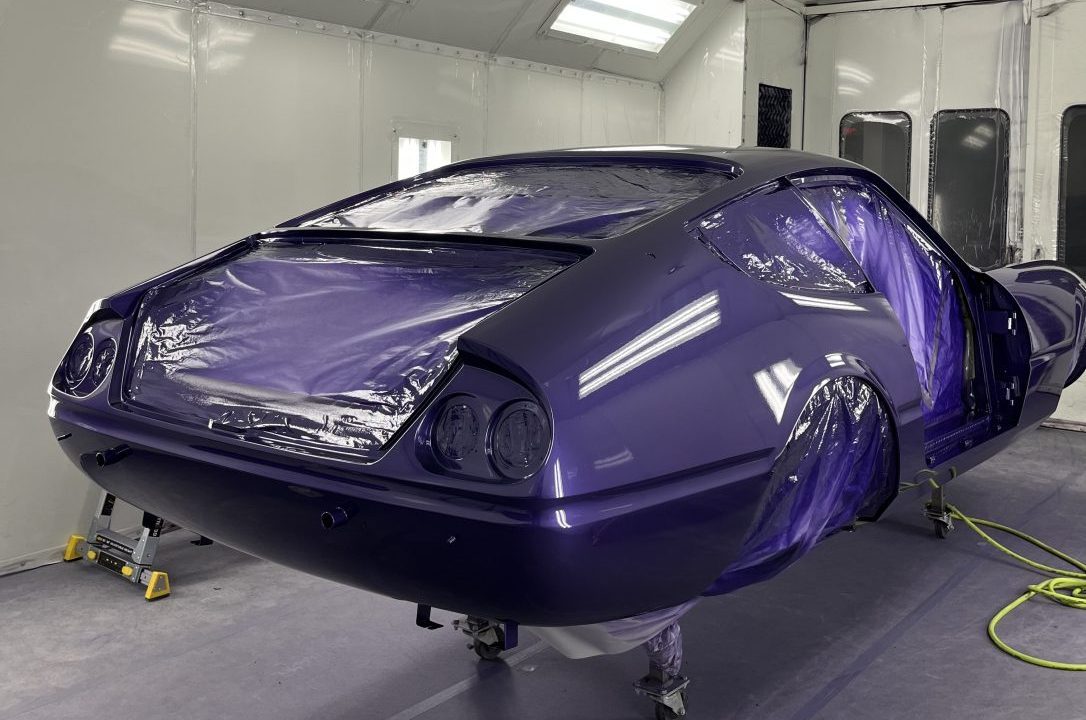
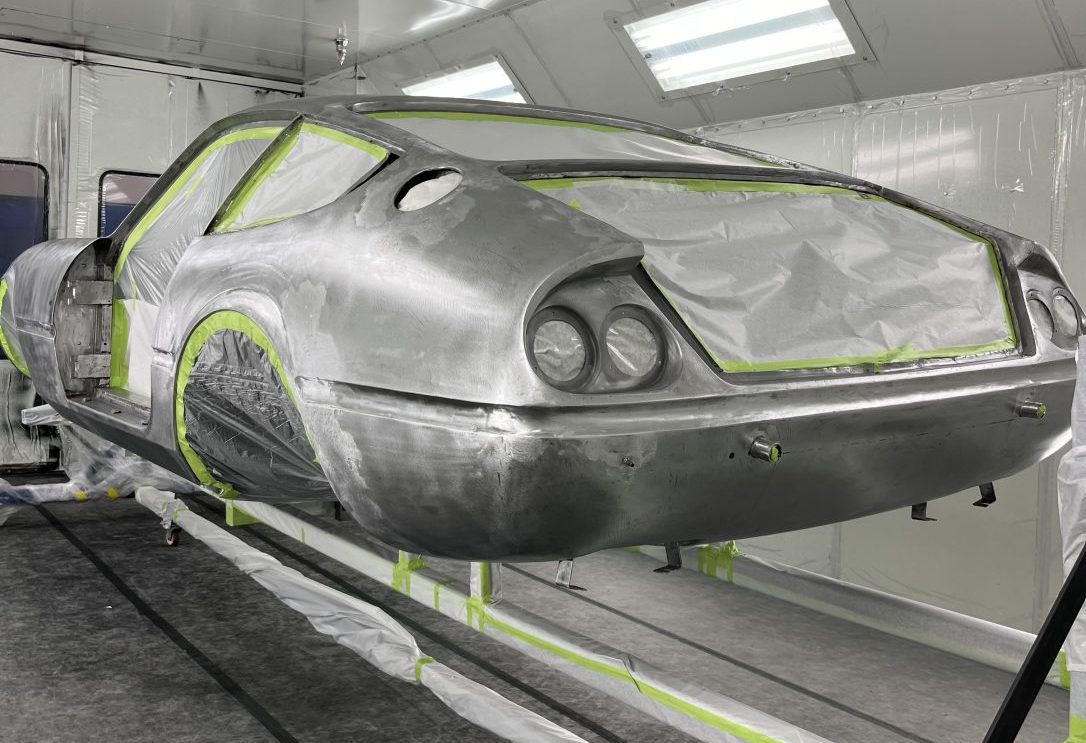
The photos from this build show exactly why preparation matters. The body was taken down through the stages needed to inspect and correct the substrate before the final finish was applied. On an older body, skipping these steps can mean trapping corrosion, old repairs, or unstable materials underneath an expensive paint job.
A beautiful finish can hide poor bodywork for a while. Eventually, however, what is underneath usually finds its way back to the surface.

Bare Metal Is Where the Restoration Really Begins
Stripping a classic car to bare metal gives the restorer an opportunity to see what decades of paint, primer and previous repairs may have been hiding.
Corrosion, stretched metal, old filler and poorly repaired damage become much easier to identify.
But freshly exposed steel also creates another problem: it needs protection from moisture and contamination.

For many restoration systems, this is where a quality two-component epoxy primer becomes extremely valuable. Applied according to the coating manufacturer’s technical data sheet, epoxy creates a corrosion-resistant foundation and isolates properly prepared steel from the layers that will eventually go over it.
The exact procedure matters because not every primer, filler and paint system has identical compatibility requirements.
Epoxy Primer Before Body Filler?
One common restoration debate is whether polyester body filler should be applied directly over bare steel or over epoxy primer.
Both methods can exist within manufacturer-approved systems, but on restoration work I prefer a properly prepared and cured epoxy foundation when the specific products being used allow filler-over-epoxy application.
Why?
Bare steel can begin reacting with moisture surprisingly quickly. Once epoxy has sealed the properly prepared metal, the repair is no longer relying on filler as the primary barrier between the steel and the environment.
The basic approach is:
clean bare metal → epoxy primer → properly prepared epoxy surface → body filler → block sanding → additional primer/surfacer as required → sealer/basecoat/clearcoat

The important part is following the epoxy and filler manufacturers’ specified recoat windows and surface-preparation requirements.
This is not simply about adding another layer. It is about building a compatible coating system from the metal outward.
Why Proper Substrate Preparation Helps Prevent Future Failure
Body filler is designed for contour correction. It is not a substitute for corrosion protection, metal repair or proper surface preparation.
If moisture reaches inadequately protected steel underneath a repair, corrosion can develop beneath the coating system. As corrosion expands, the repair above it can eventually bubble, separate or fail.

Cracking can have other causes as well: excessive filler thickness, panel movement, poor adhesion, incorrect mixing, contamination and unstable previous repairs are common contributors.
That is why good restoration work involves much more than sanding a panel until it looks straight.
Metalwork should do as much of the shaping as reasonably possible. Filler should refine the surface rather than replace proper metal finishing.

Block Sanding Is Where Straight Panels Are Made
Primer does not automatically make a car straight.
After the major repairs are completed, repeated blocking and surface inspection reveal high spots, low spots and transitions that are difficult to see on bare metal.
This stage can feel painfully slow, especially on a large hand-finished body.
But under glossy paint, even a small wave becomes obvious because reflections exaggerate imperfections. The straighter the substrate is before color, the cleaner those reflections will look afterward.
The black finish shown in the final stages of this project is particularly unforgiving. Dark, high-gloss finishes expose panel waves and preparation defects quickly.
That makes the work underneath the paint even more important than the paint itself.